

Afan Lido
Is an AI film created as my final submission to the Curious Refuge AI film making course. It is sentimental comedy set in Port Talbot, South Wales, 1967. The film balances laugh-out-loud humour with emotional depth, raucous, warm, irreverent, and ultimately uplifting. The film centers on Ken Williams, a WW2 veteran and steelworks welder, and Phil Robinson, General Manager of the newly opened Afan Lido Sports Centre in Aberavon. Together they form Afan Lido F.C. in June 1967, a football club born from a desire to give the young lads of this industrial town something to believe in. Against all odds, Afan Lido would go on to become founder members of the League of Wales in 1992, win the League Cup in 1992–93 and 1993–94, and earn a UEFA Cup place.
Role
AI Film maker
Tools
To bring the story to life, I used a range of AI tools. For character and scene creation, I used Google Nano Banana, which I found to be the strongest image-generation model available within Pencil.
For video generation, I used Kling, which, in my experience, produces some of the most realistic human characters and natural-looking movement.
For sound design, I used real BBC sound recordings. Some of the archive recordings were quite old, which actually helped give the film an authentic vintage atmosphere.
For dialogue, I used ElevenLabs. This was probably the most challenging part of the entire project. Getting the voices to sound natural took a lot of experimentation.
For music, I found the type of tracks I had in mind on Artlist, but I then found the same tracks available for free on Wikimedia Commons.
Characters
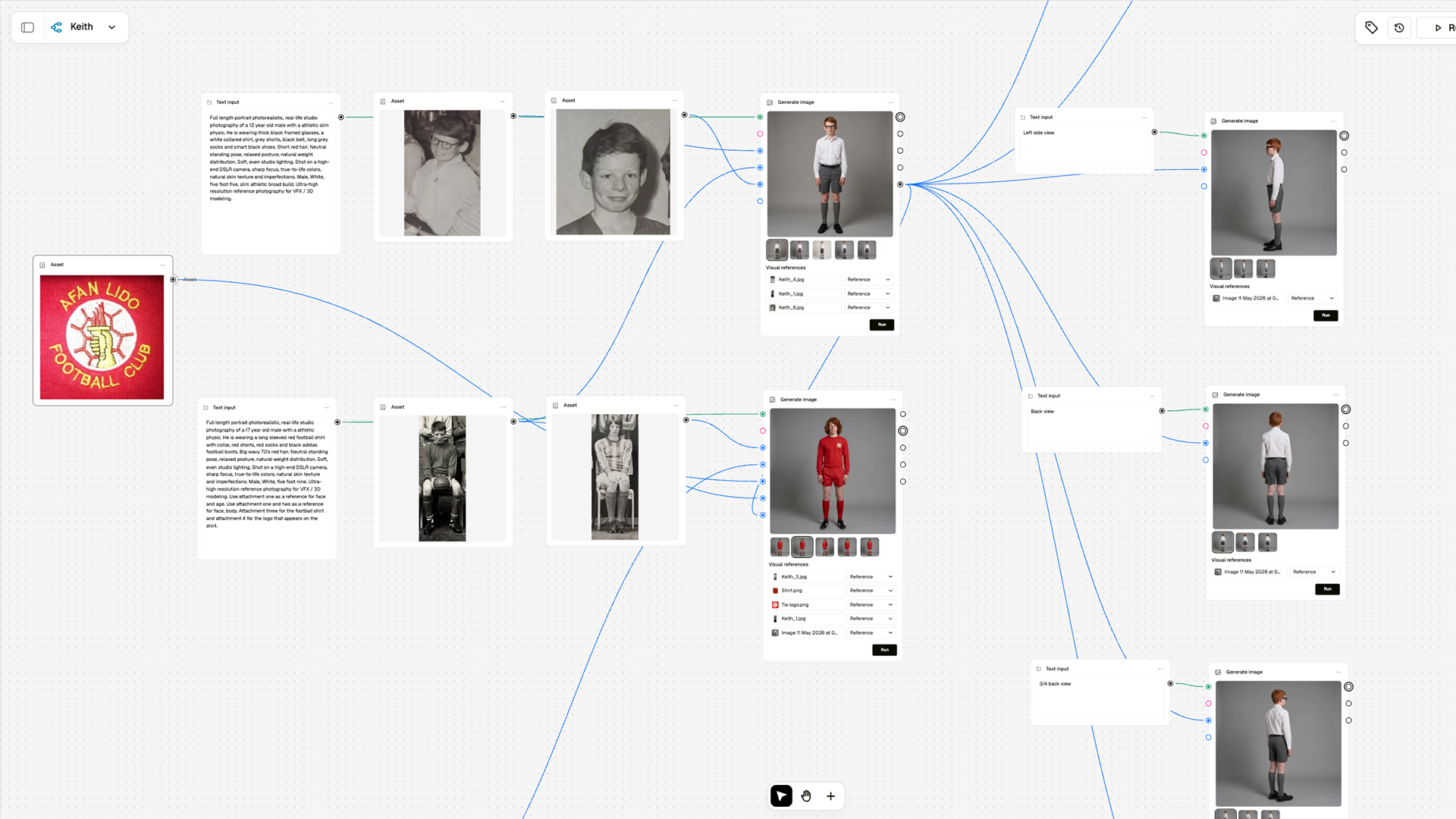
Creating the characters started with a low-tech approach: ringing up my Mum and my Uncle and asking for family photos. I used workflows, to generate the images which are great because you can bring reference images directly into the process.
I followed a consistent structure for every character, adding in specific details like age, gender, hair colour and clothing. The more specific you are, the better the results.
Character consistency
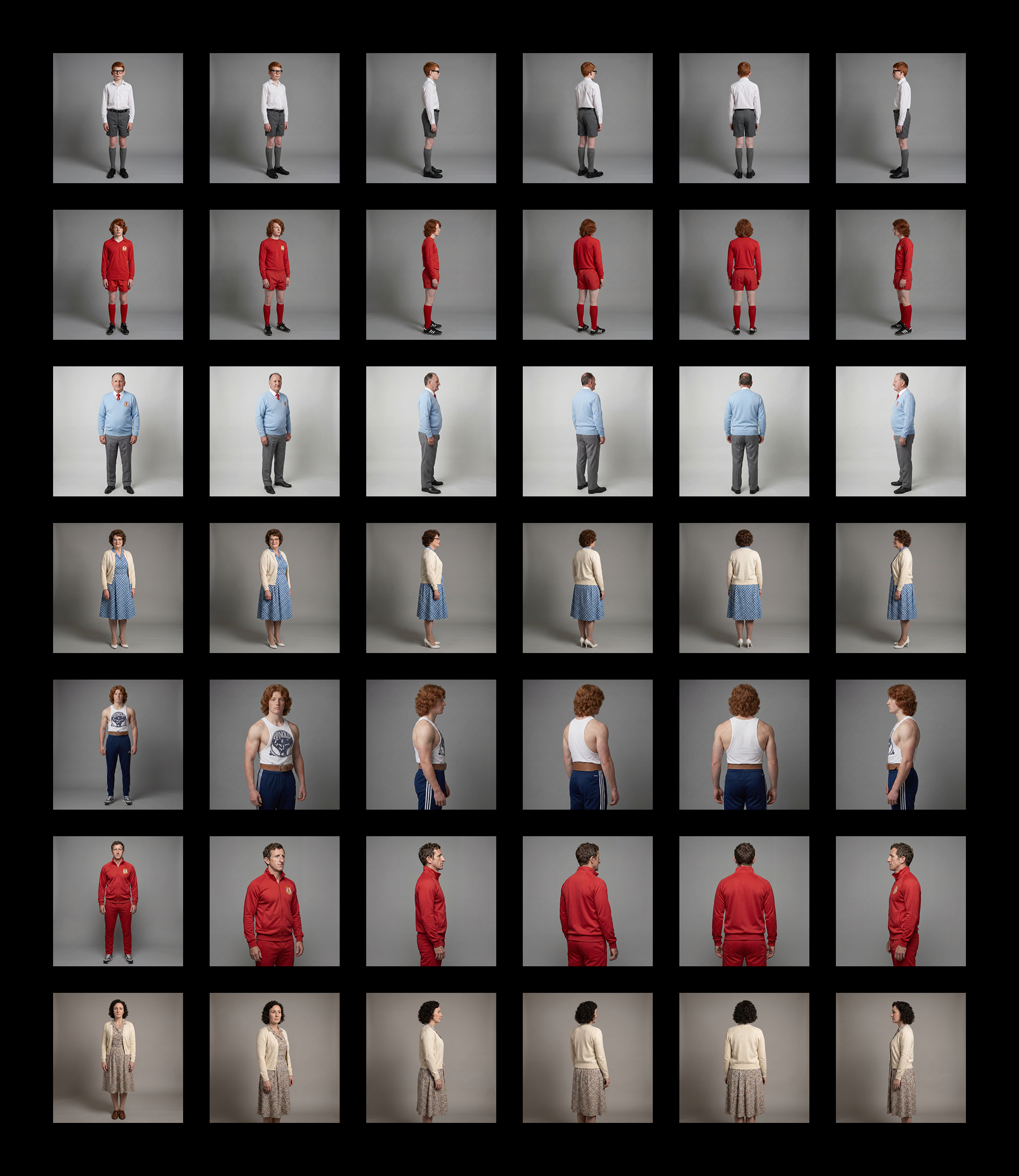
One of the biggest challenges in AI filmmaking is character consistency. To help with that, I generated a full range of shots from different angles for each character. The story spans several years, from a children’s football team through to league football, so in some cases I needed multiple versions of the same person. My Dad at around 12 years old and then again as an older teenager playing for the first team. Uncle David appears at three different stages of life: as a baby, a teenager and an adult. Creating these character packs upfront saved a huge amount of time later in the process.
Creating scenes
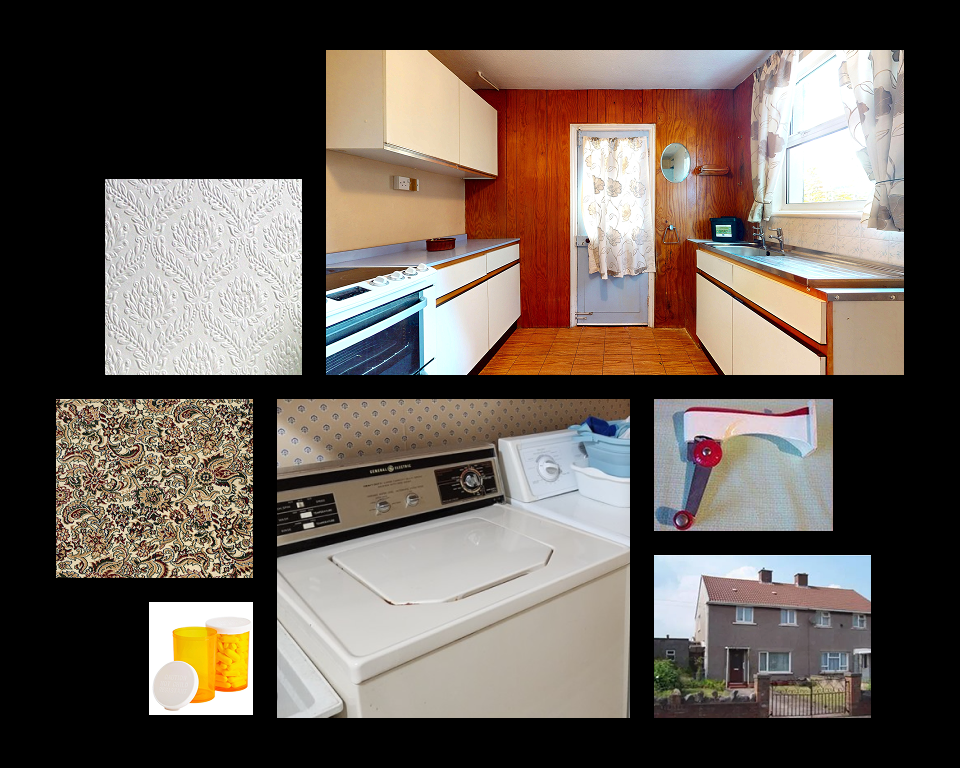
I wanted every scene to feel as authentic as possible, so I collected reference imagery for almost everything.
For the Williams house scene, I found examples of the right style kitchen wood panelling, the exterior of the house, textured wallpaper, wildly patterned carpets, medicine bottles and all those random household objects that only grandparents seem to own. Those little details help make a scene feel believable.
Checking the details
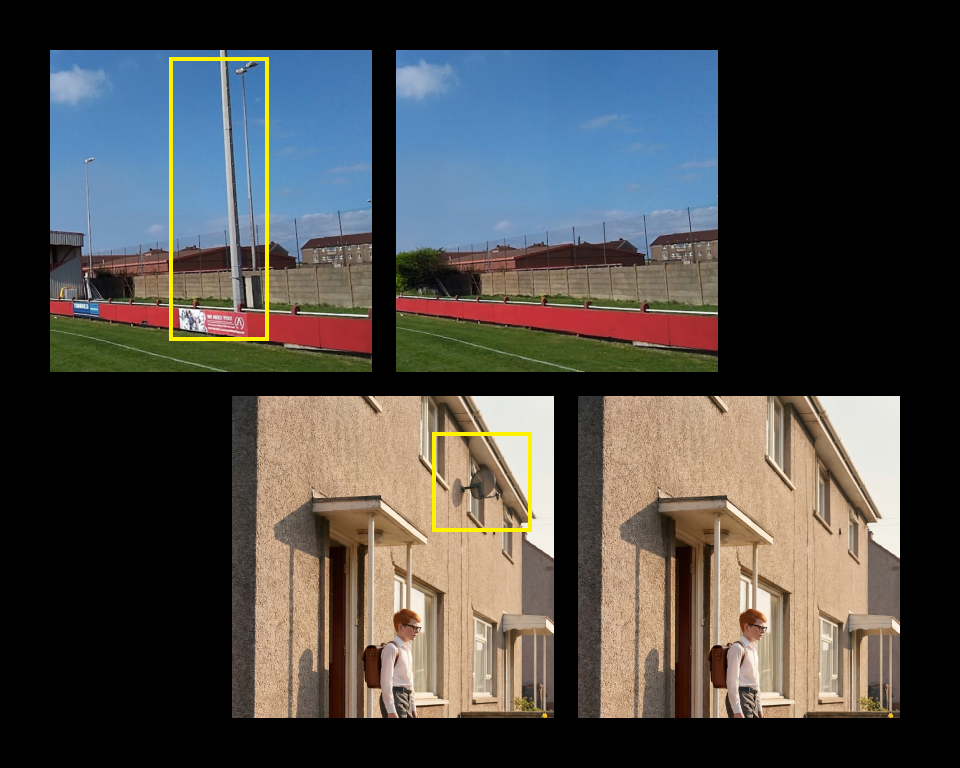
Your reference images matter just as much as your prompts. Before uploading them, I would edit out details that didn’t belong in the period. For example, in the 1960s and early 70s there were no floodlights, advertising boards or modern stands, so those had to be removed first. It’s also important to carefully check every generated image.
In this example, Nano Banana had kindly added a satellite dish... a few decades before satellite dishes existed.
The biggest challenge
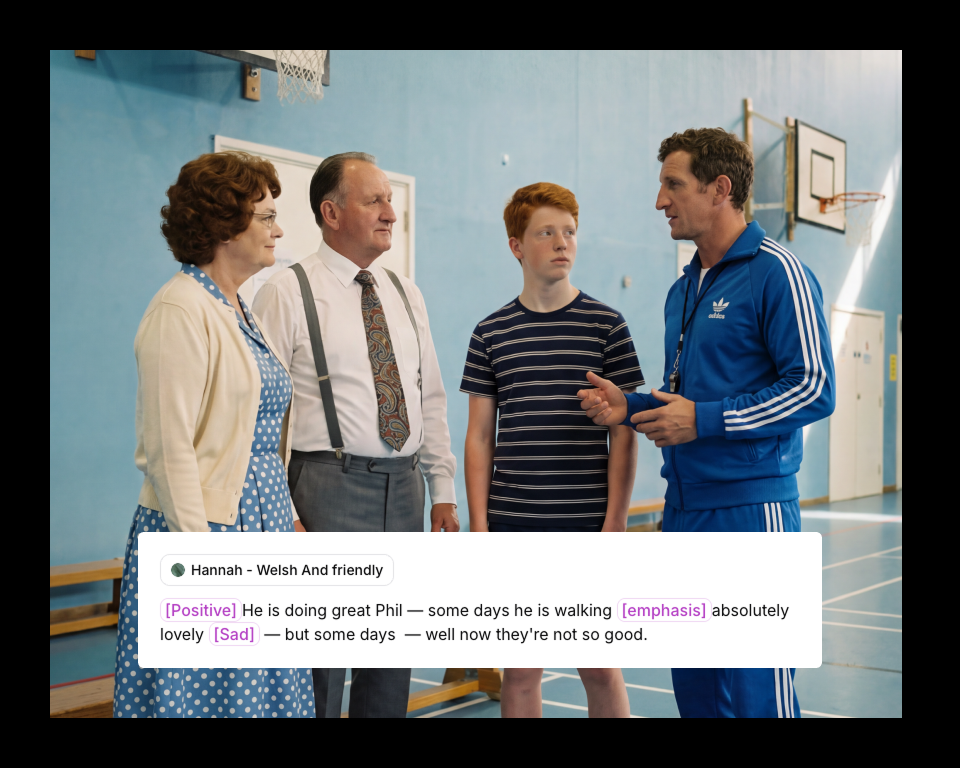
Audio turned out to be one of the biggest challenges of the entire project; as Kling does not generate Welsh accents. This was almost a deal-breaker because the Welsh identity and tone is such an important part of the story. The solution was to generate to generate a silent video in Kling and then create a big chunk of speech separately using one of the few Welsh voices available in ElevenLabs.
Phonetics
With text to speech you can influence pronunciation further by writing phonetically. Kind of tricking the AI into sounding more Welsh.
For example, “Bach” can sound more like the composer if written normally.
However if you write “Bahkh” you get a much more authentic Welsh pronunciation.
Likewise, “Lido” became “Lie-dough” to encourage the longer vowel sounds you’d naturally hear.
And “by here” became “by ear” because Welsh speakers often soften or drop the H sound.
The final step was adding sound effects.
For the sports hall scenes, I layered in bouncing basketballs, squeaking trainers and distant voices echoing around the large space.
Profanity Filters
Another unexpected challenge was profanity filtering. Which can be a bit sensitive, which make’s comedy a little more difficult. In one scene, Jenny and Beryl are watching a football match when Beryl cheekily says: “If you don’t score on the pitch, perhaps you’ll score with me.” Because I was generating dialogue separately, my workaround was simply to change the final word to something with a similar mouth shape. Instead of saying “me”, she says “tea”. It’s not perfect, but it got the scene through moderation.
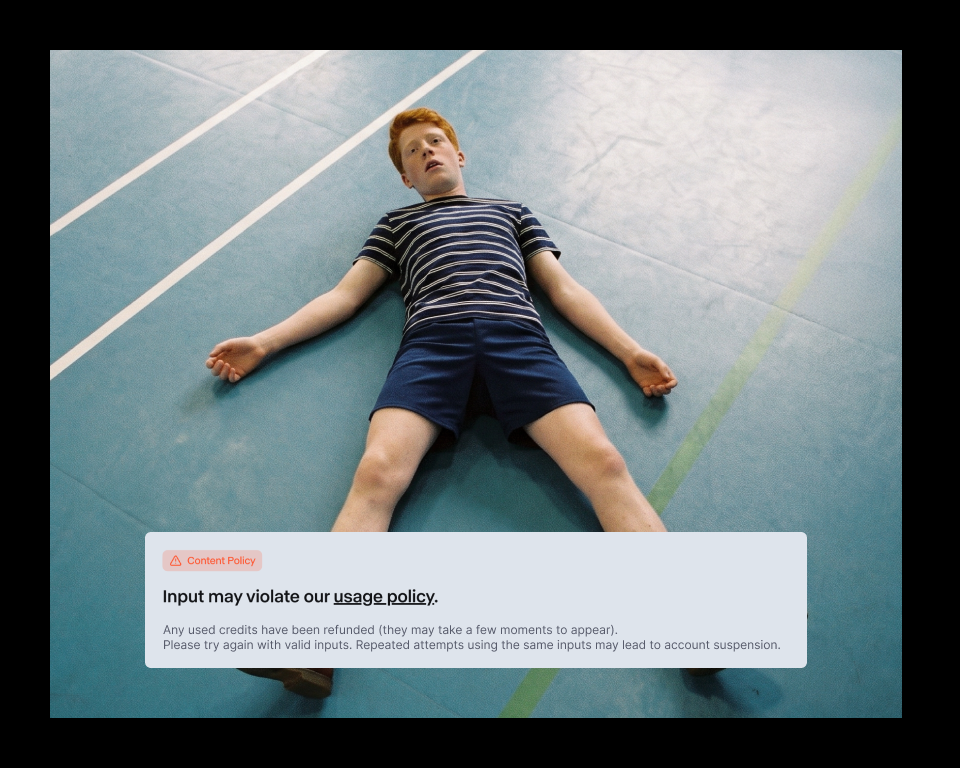
In another scene, David meets Phil at the sports centre. Phil gives him an encouraging slap on the back, causing David to comically tumble over a bench. Turns out you are not allowed to prompt adults hitting kids... The solution was re think the prompt and remove words such as “slap”, “boy” and “fall”.
This is where the process became more like negotiating than directing.
👋
hello@davith.co.uk
+44 (0)7825393869